SHIZHU · Practical container guides
20ft & 40ft Open Top Containers in Hong Kong: Soft and Hard Roofs
Open top containers are suitable for oversized, over-height or heavy cargo that needs to be lifted in from above, including some machinery, steel products and equipment that cannot be loaded safely through ordinary container doors. Common configurations include a tarpaulin soft top and a removable steel hard roof. Cargo, lifting, site and actual-equipment details still require review.
1. What is an open top container?
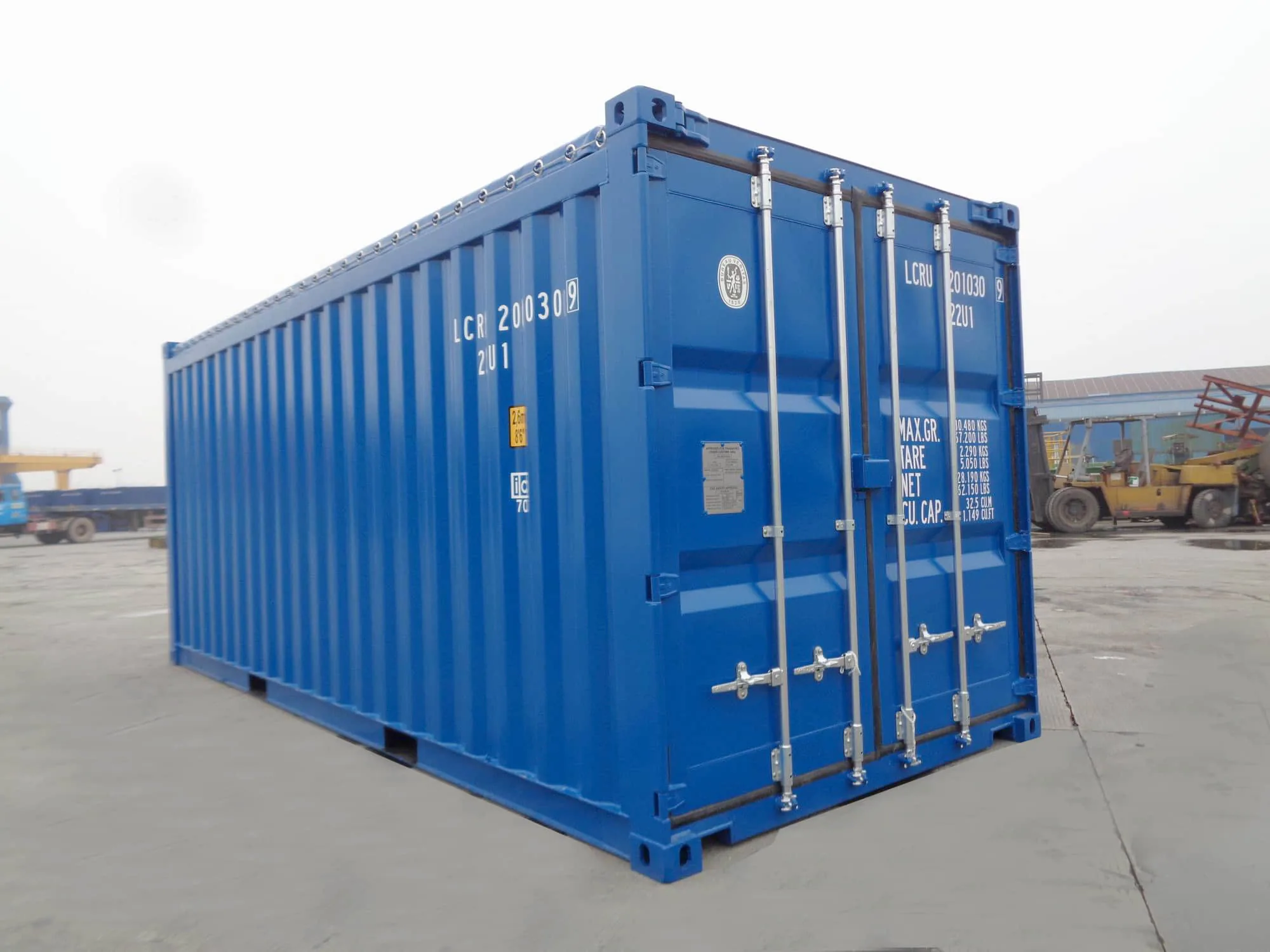
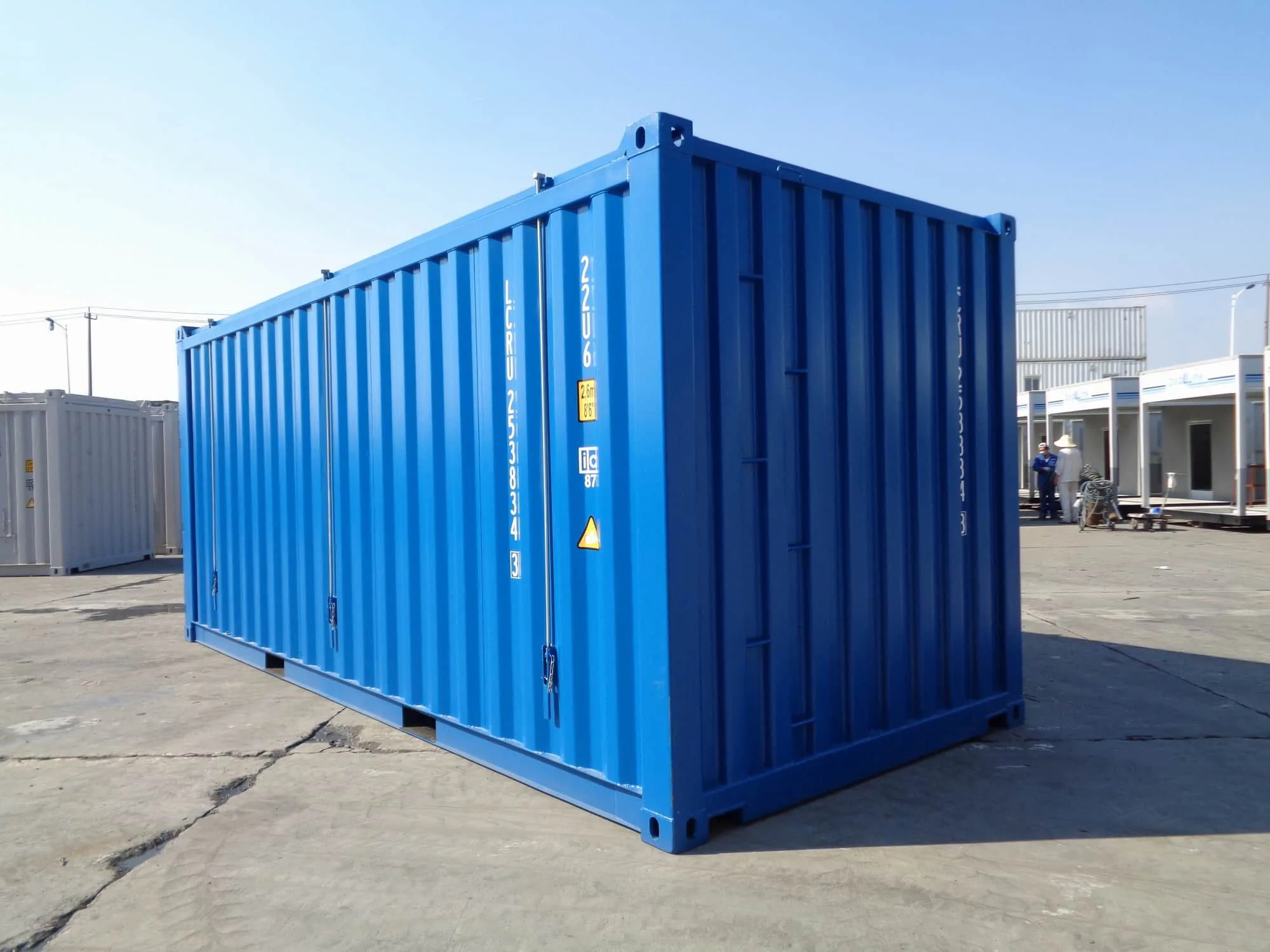
An open top container retains the side walls, end wall and underframe, while the roof can be opened for loading by crane. Some models also have a removable door header for taller cargo loaded through the doorway.
Top loading does not mean every out-of-gauge cargo can be carried. Dimensions, weight, securing, lifting points, route, carrier requirements and applicable documents must still be checked individually.
2. Soft top or hard top / hard roof?
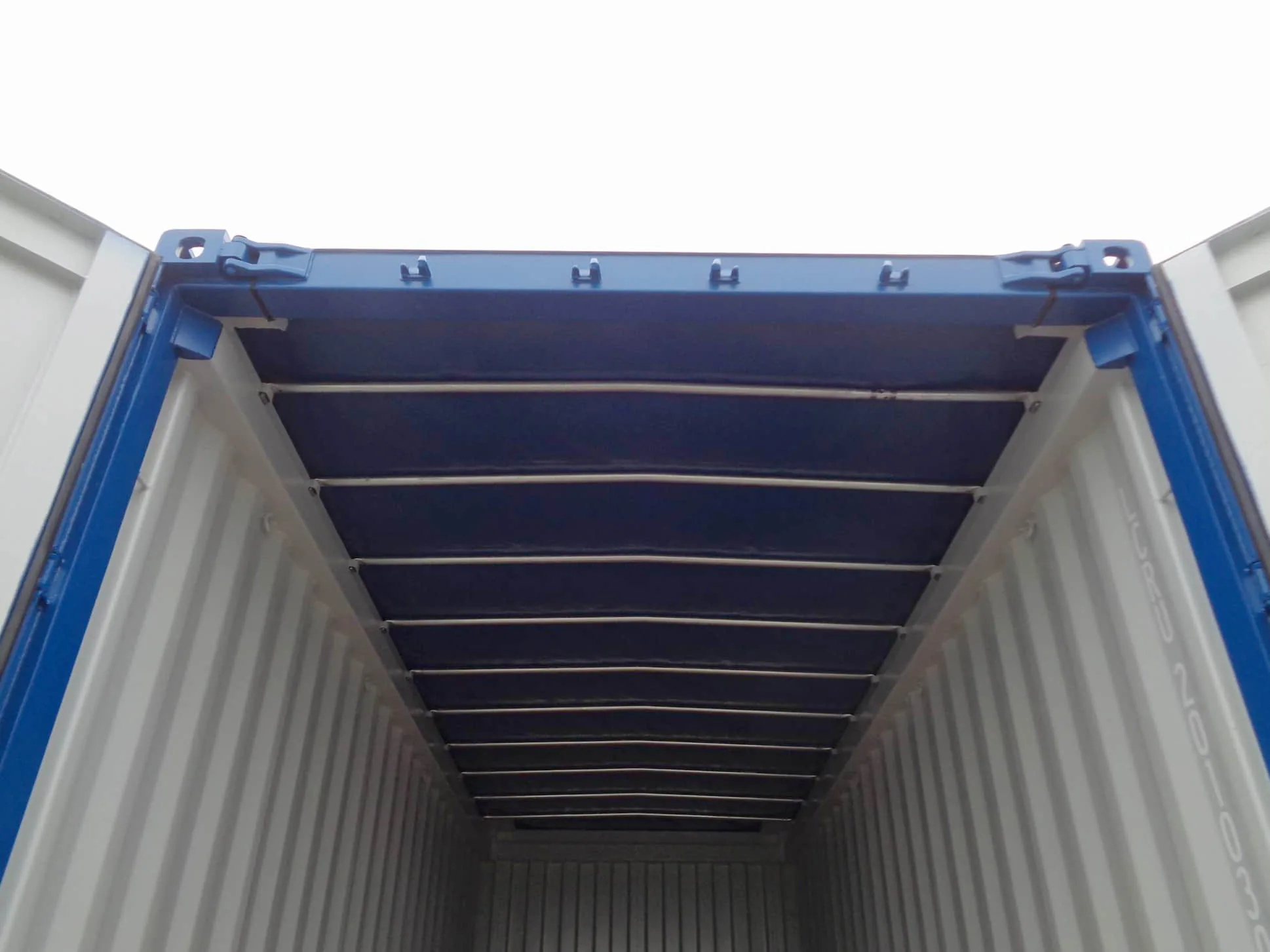
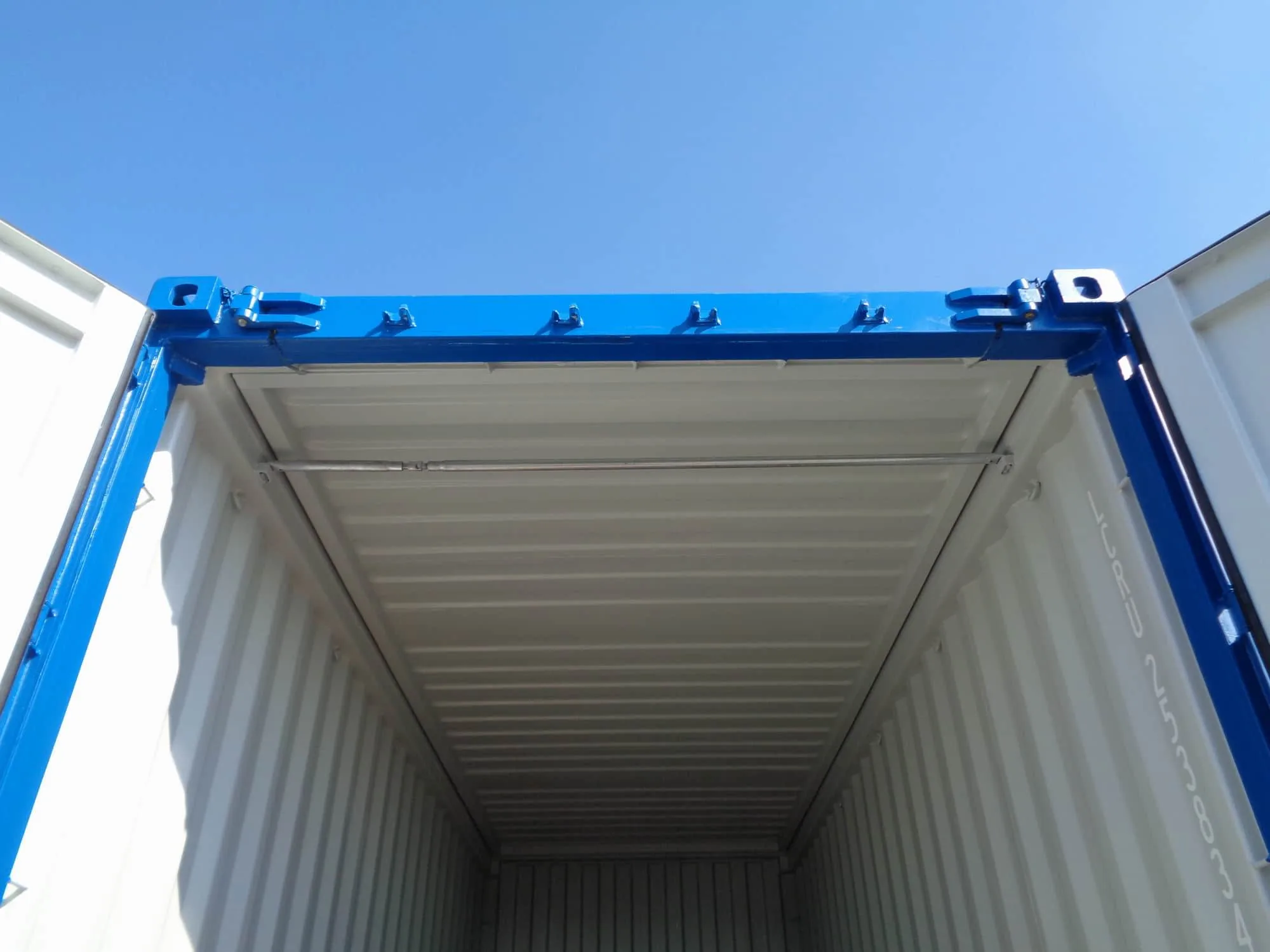
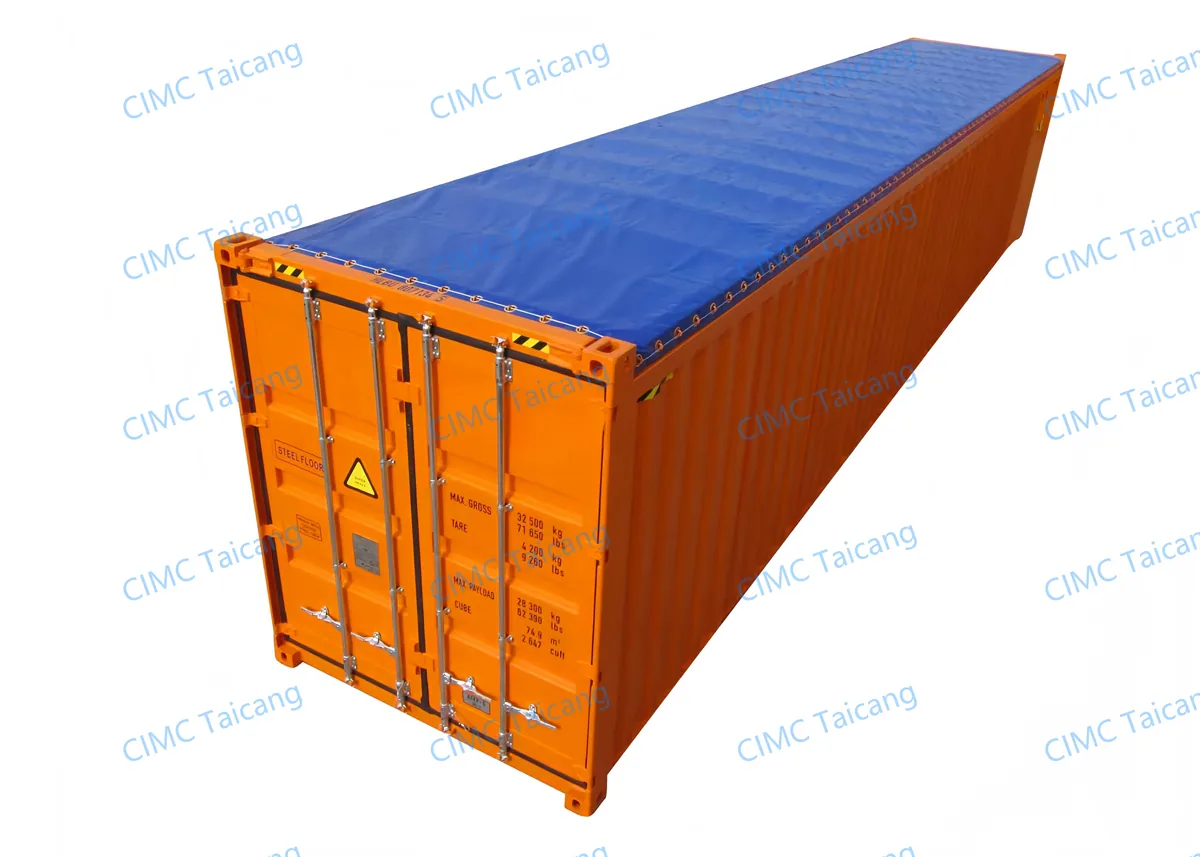
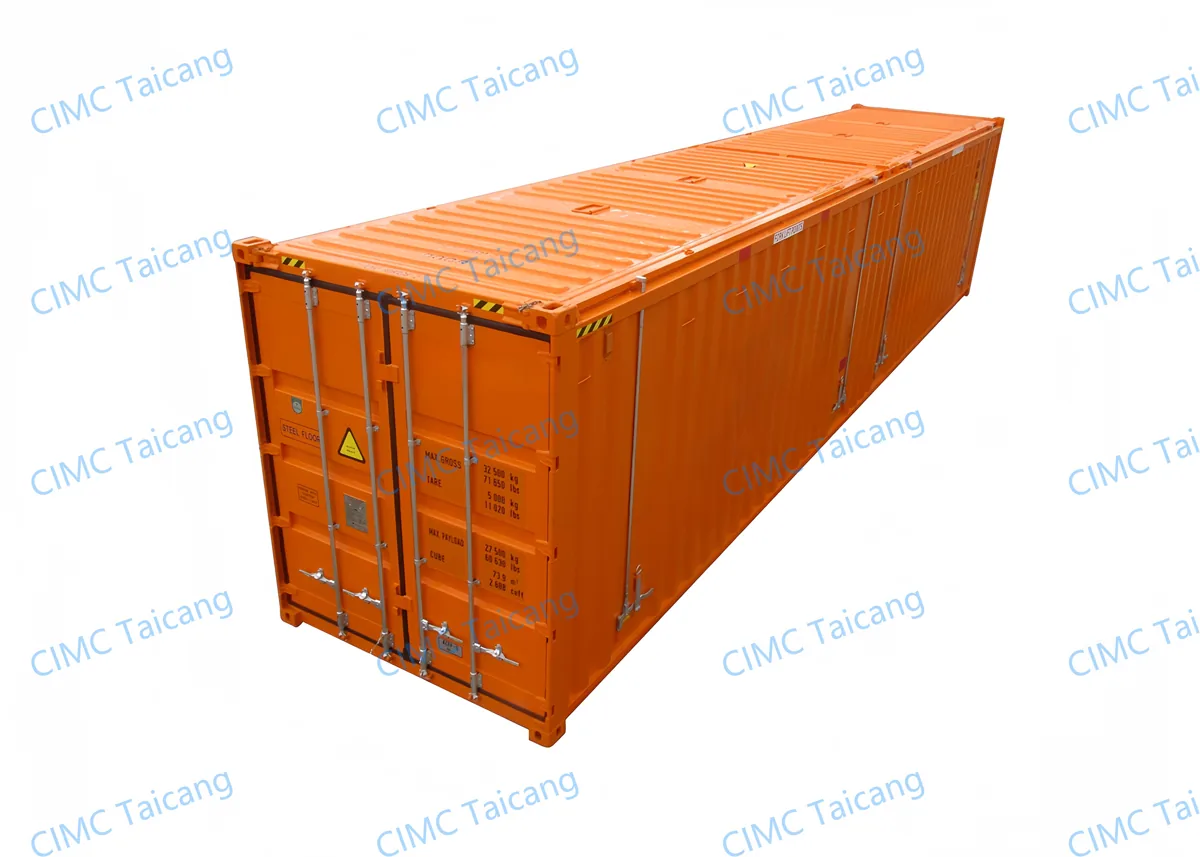
A soft top normally uses tarpaulin supported by removable roof bows and fixing rings. A hard top, also described here as a hard roof, uses removable steel roof panels or covers. Panel divisions, weight, lifting points and removal procedures vary by equipment.
The two configurations are not interchangeable from photographs alone. State whether you need a tarpaulin soft top, a removable hard roof, or simply a general top-loading arrangement.
3. Choosing between 20ft and 40ft
Enquiries may cover 20ft and 40ft open top containers, including standard-height or high-cube configurations. Longer or taller equipment needs more vehicle, turning, lifting and working space.
The photographs on this page identify types and structures; they are not one set of dimensions or loading limits for every unit. Final selection is subject to the CSC plate, equipment information and written quotation for the container offered.
4. Checks before lifting and use
Appropriate transport, lifting and site personnel should assess crane position and radius, ground bearing, overhead obstructions, traffic arrangements, cargo lifting points and securing. Do not stand on a container roof, remove roof bows without a safe procedure, or enter beneath suspended cargo.
For sea transport, separately confirm over-height or oversized cargo, SOC, lashing, declaration and acceptance requirements with the carrier. Website information is not engineering, lifting or carrier approval.
5. Include these details in one enquiry
Complete information makes it easier to assess 20ft versus 40ft and soft-top versus hard-roof options.
- Cargo length, width, height, individual and total weight, and packaging.
- Whether loading is from the top or doorway, and the lifting equipment required.
- Container type, quantity, new or used requirement and dates.
- Collection, delivery or use location, including road, crane and site restrictions.
- Local use or sea transport. Supply, price, specifications and arrangements require individual confirmation.
20ft and 40ft soft top / hard top reference images
The following publicly available CIMC-related manufacturer images are provided for container-type and structural reference only. They do not represent Sinotrade's current stock, actual delivered appearance, brand or guaranteed supply. Final specifications are subject to the CSC plate, equipment information and written quotation for the container offered.